
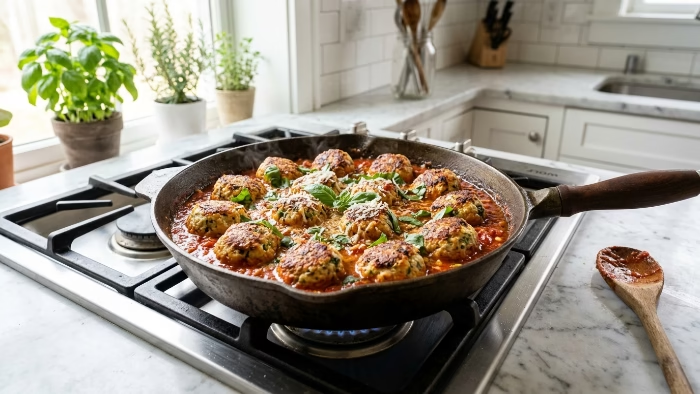
Classic Italian meatballs rely on breadcrumbs and egg for moisture. Ricotta meatballs swap in whole-milk ricotta, and the result is a meatball so tender it practically melts — without a single breadcrumb. They’re naturally gluten-free, high-protein, and surprisingly forgiving for beginners.
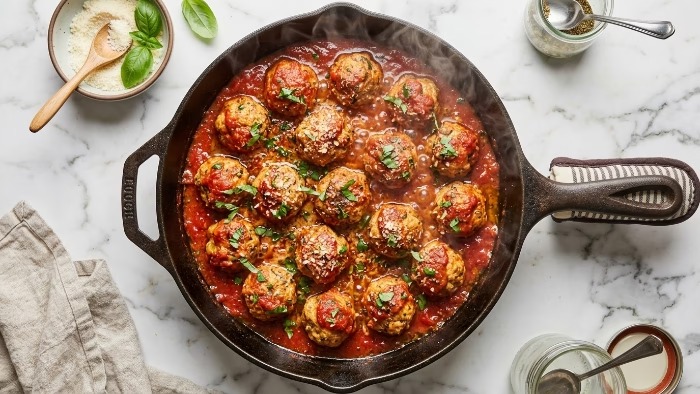
Why Ricotta Changes Everything
Ricotta does three things that breadcrumbs can’t:
- Adds moisture without softening the structure. The cheese’s curds hold water that releases slowly during cooking, keeping the meat juicy from edge to center.
- Boosts protein and calcium. A half-cup of whole-milk ricotta adds ~14g protein and 250mg calcium.
- Creates a pillowy texture. Where breadcrumbs can make meatballs dense, ricotta keeps them light.
Pro Tips for Perfect Meatballs
Chill the shaped meatballs for 20 minutes before cooking. This firms up the ricotta mixture so the meatballs hold their round shape in the pan instead of spreading into flat pucks.
Mix with your hands, not a spoon. Hands distribute the ricotta, egg and seasoning evenly through the meat without overworking and compacting it, which is what keeps the texture light instead of dense.
Brown in batches, never crowd the pan. Too many meatballs at once drops the pan temperature and they steam instead of sear, so you lose the browned crust that adds most of the flavor.
Storage & Freezing
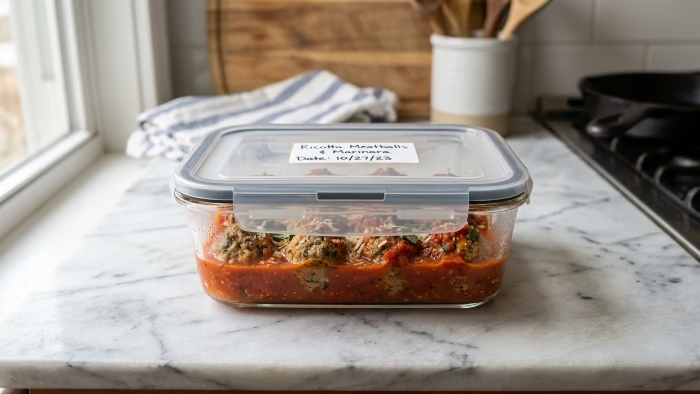
Refrigerator: store in an airtight container for up to 4 days and reheat gently in a covered pan with a splash of sauce so they don’t dry out. Freezer (cooked): freeze in a single layer on a tray until solid, then transfer to a freezer bag for up to 3 months. Freezer (raw): freeze the shaped, uncooked meatballs the same way and cook straight from frozen, adding 5-7 extra minutes to the cook time.
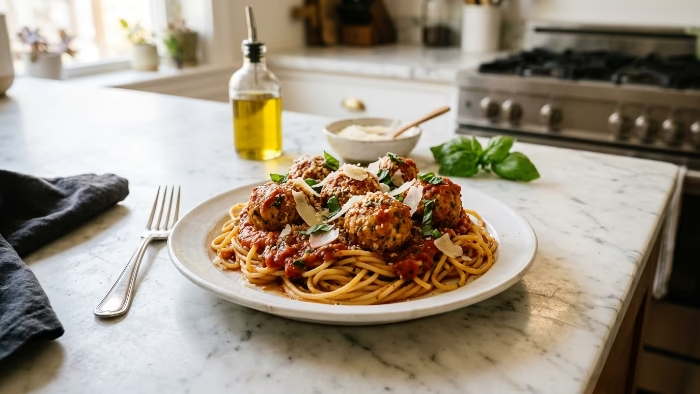
Serve leftovers over a fresh batch of Creamy Garlic Parmesan Pasta or tucked into a sub roll with melted mozzarella — they reheat well enough for either.
Variations & Easy Swaps
- Baked ziti style: nestle the meatballs into a baking dish with marinara, top with mozzarella, and broil until bubbling.
- Turkey ricotta meatballs: ground turkey works beautifully here because the ricotta keeps it moist — add an extra pinch of salt.
- Lemon-herb version: add lemon zest and chopped dill to the mixture and serve over orzo with a butter sauce instead of marinara.
- Meatball subs: pile leftovers into toasted rolls with provolone — arguably better than the first serving.
- Freezer batch: double the recipe and freeze half the meatballs raw on a tray; cook from frozen in sauce, adding 10 minutes.
Frequently Asked Questions
Why are my ricotta meatballs falling apart?
Three likely causes: (1) the ricotta was too wet — drain it first; (2) you skipped the chill step; (3) you’re flipping them too early — let them develop a crust before turning.
Can I use ground turkey or chicken instead of beef?
Absolutely. Lean poultry works beautifully with ricotta. Add 1 extra tbsp olive oil to keep them juicy. Cook to 165°F (74°C) internal temperature.
Can I bake these instead of pan-frying?
Yes — bake at 400°F (200°C) for 18-20 minutes on a lined sheet, flipping once halfway. You’ll lose a little of the pan-seared crust but gain a hands-off, less messy method.
What’s the best ricotta to use?
Whole-milk ricotta, well-drained in a fine mesh strainer for 15-20 minutes. Skim or part-skim ricotta carries too much water and will make the mixture loose.
Can I make the mixture ahead of time?
Yes — shape the meatballs and refrigerate them raw, covered, for up to 24 hours before cooking. The chill time actually firms them up and makes them easier to sear.
Do I need breadcrumbs at all?
No — that’s the whole point of this recipe. The ricotta replaces the binding and moisture breadcrumbs normally provide, so the meatballs stay naturally gluten-free.
Made these? Leave a comment and a star rating below — your feedback genuinely helps us improve every recipe on the site.
The Bottom Line
Ricotta meatballs prove that you don’t need breadcrumbs to get a tender, juicy result — the cheese does the heavy lifting, adding moisture, protein, and a pillowy texture in one step. Mix gently, chill before searing, and don’t crowd the pan, and you’ll get restaurant-tender meatballs every time, whether you serve them over pasta, in a sub, or straight off a toothpick.
If this one wins you over, keep the Italian comfort food rolling with our marry me chicken pasta, creamy garlic parmesan pasta, or Tuscan gnocchi.
More high-protein comfort food: See our high-protein meals collection, or learn to make homemade cottage cheese from scratch.
Rate & Review This Recipe