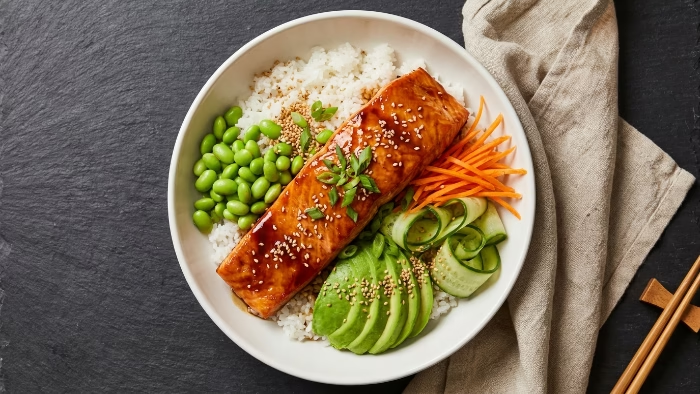
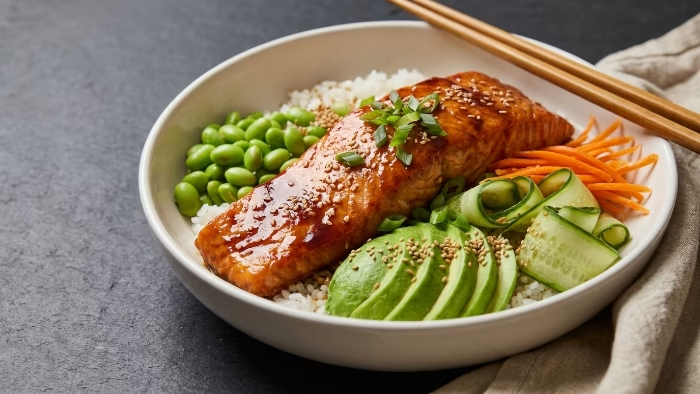
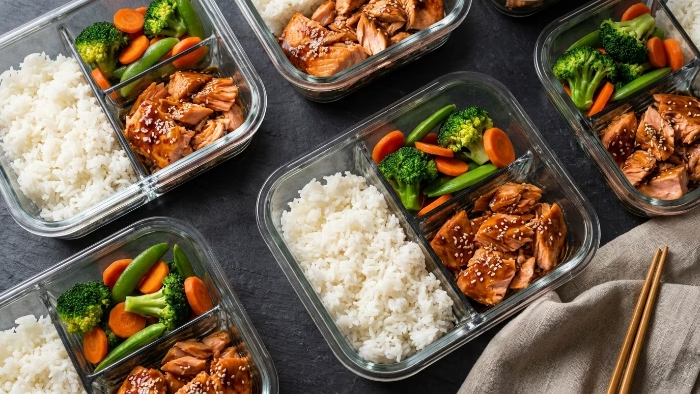
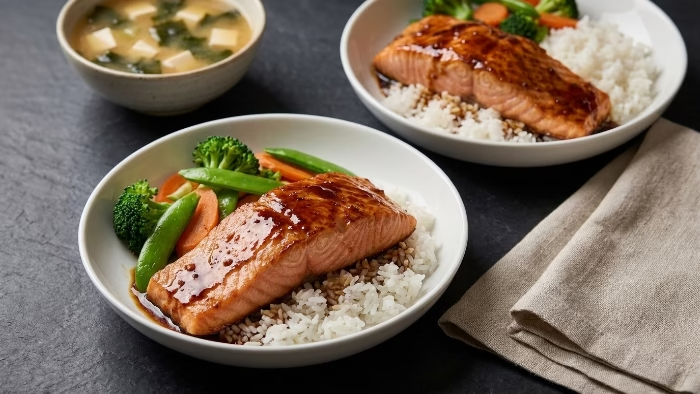
I started making teriyaki salmon bowls for meal prep and ended up eating them three times a week by choice. The homemade teriyaki glaze takes 5 minutes and tastes nothing like the bottled stuff — it’s got depth, a little heat and a caramelized finish that store-bought can’t replicate. The bowl builds itself in 25 minutes.
Why This Recipe Works
Homemade teriyaki in 5 minutes: soy sauce, mirin, sake and brown sugar simmered to a glossy glaze — no cornstarch needed if you reduce it properly.
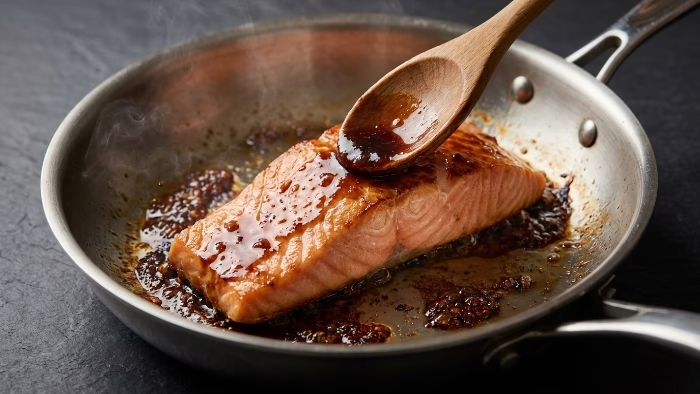
Salmon cooks fast: 4 minutes skin-side down, 2 minutes on top, then the glaze goes on for the final 2 minutes. Perfectly cooked every time.
Built-in meal prep: the glaze and rice keep 4 days refrigerated — assemble bowls fresh or pack them for lunches all week.
Macro-balanced: high protein, healthy fats, complex carbs and fresh vegetables in every bowl.
Ingredient Notes & Substitutions
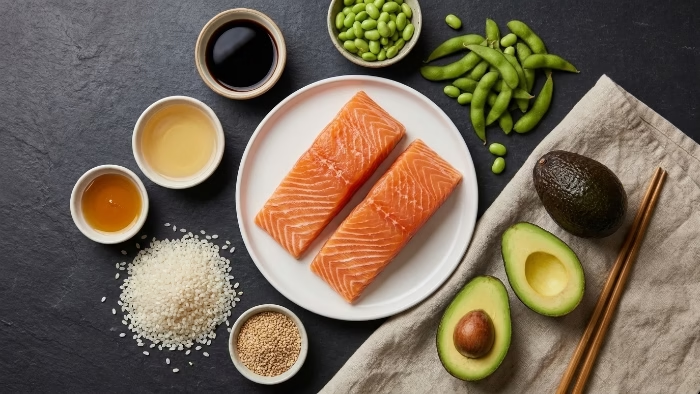
Salmon: skin-on fillets, 6 oz each. Atlantic or sockeye both work. Pat very dry for a proper sear.
Soy sauce: low-sodium preferred — the glaze reduces and concentrates, making it salty fast. Tamari for gluten-free.
Mirin: sweet Japanese cooking wine — adds that authentic teriyaki flavor. Substitute with 2 tbsp dry sherry + 1 tsp sugar.
Rice: short-grain sushi rice gives the most authentic bowl experience. Jasmine or brown rice works fine.
Bowl toppings: edamame, sliced avocado, shredded carrots, cucumber, sesame seeds, green onion — mix and match to what you have.
Yes — thaw overnight in the refrigerator or seal in a bag and submerge in cold water for 30 minutes. Pat very dry before cooking.
My glaze burned — what happened?
The sugar in the glaze burns quickly over high heat. Brush the glaze on with the heat at medium and keep a close eye. The glaze only needs 1-2 minutes in the pan to caramelize.
Can I bake the salmon instead?
Yes — 400°F (200°C) for 12-15 minutes. Brush with glaze in the last 5 minutes. You won’t get the same crust, but it’s very hands-off.
Is this recipe gluten-free?
Use tamari instead of regular soy sauce and it becomes fully gluten-free. Check your mirin label too — most are GF but some contain added alcohol from non-GF sources.
Can I use chicken or tofu instead of salmon?
Yes — this teriyaki glaze works beautifully on chicken thighs or pressed, pan-seared tofu. Adjust the cook time: chicken thighs need about 6-7 minutes per side, tofu just needs a quick sear to crisp the outside before glazing.
What rice works best for salmon bowls?
Short-grain white rice or jasmine holds the glaze best. Brown rice and quinoa work for a heartier bowl — cook them ahead to keep the meal at 25 minutes.
The Bottom Line
A teriyaki salmon bowl is the rare dinner that works as hard on Tuesday night as it does in your meal-prep containers: a 3-ingredient glaze, salmon that cooks in under 10 minutes, and rice and vegetables that soak up the extra sauce. Make the glaze once and you’ll never buy the bottled version again.

Rate & Review This Recipe