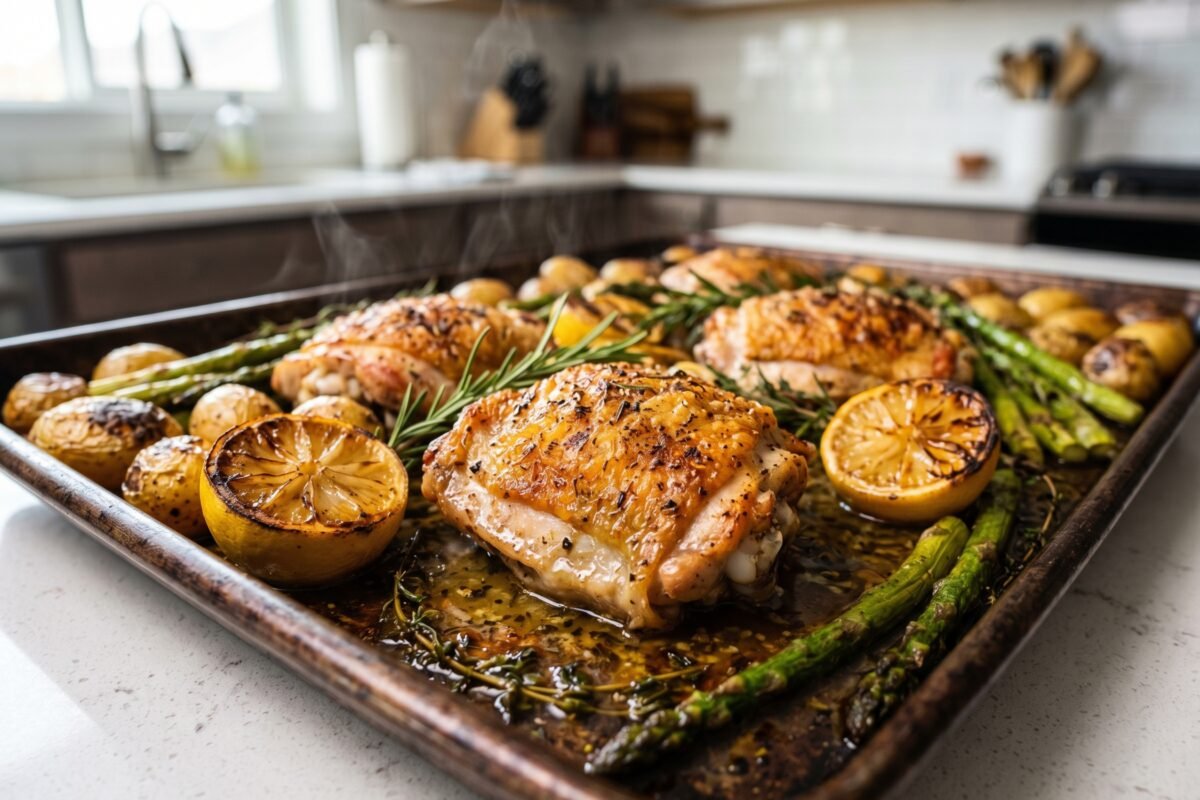
Thislemon herb sheet pan chickenis one pan, one lemon, zero stress — the dinner I make when the week gets ahead of me, and it has never once let me down.
One pan, staggered timing:potatoes get a head start before the chicken joins, so everything finishes at the same moment instead of half-raw, half-burnt.
Skin-side up the whole time:the chicken skin roasts dry and golden while the meat underneath bastes in lemon-herb juices.
Lemon slices roast along:whole roasted lemon slices turn jammy and mellow, seasoning the pan juices far better than a last-minute squeeze alone.
Hot pan juices as the sauce:the herbs, lemon and chicken drippings collect in the pan — spoon them over everything and no extra sauce is needed.
Ingredient Notes & Substitutions
Chicken thighs:bone-in, skin-on thighs are built for sheet-pan roasting. Boneless works but cut the roast time by about 10 minutes.
Baby potatoes:halved baby potatoes cook in the right window. Larger potatoes need quartering or they will lag behind.
Fresh herbs:rosemary and thyme stand up to the oven. Save delicate herbs like parsley for sprinkling after.
Lemon:one sliced into the pan, one reserved for squeezing at the table — the two play different roles.
In This Article
Lemon Herb Sheet Pan Chicken with Vegetables
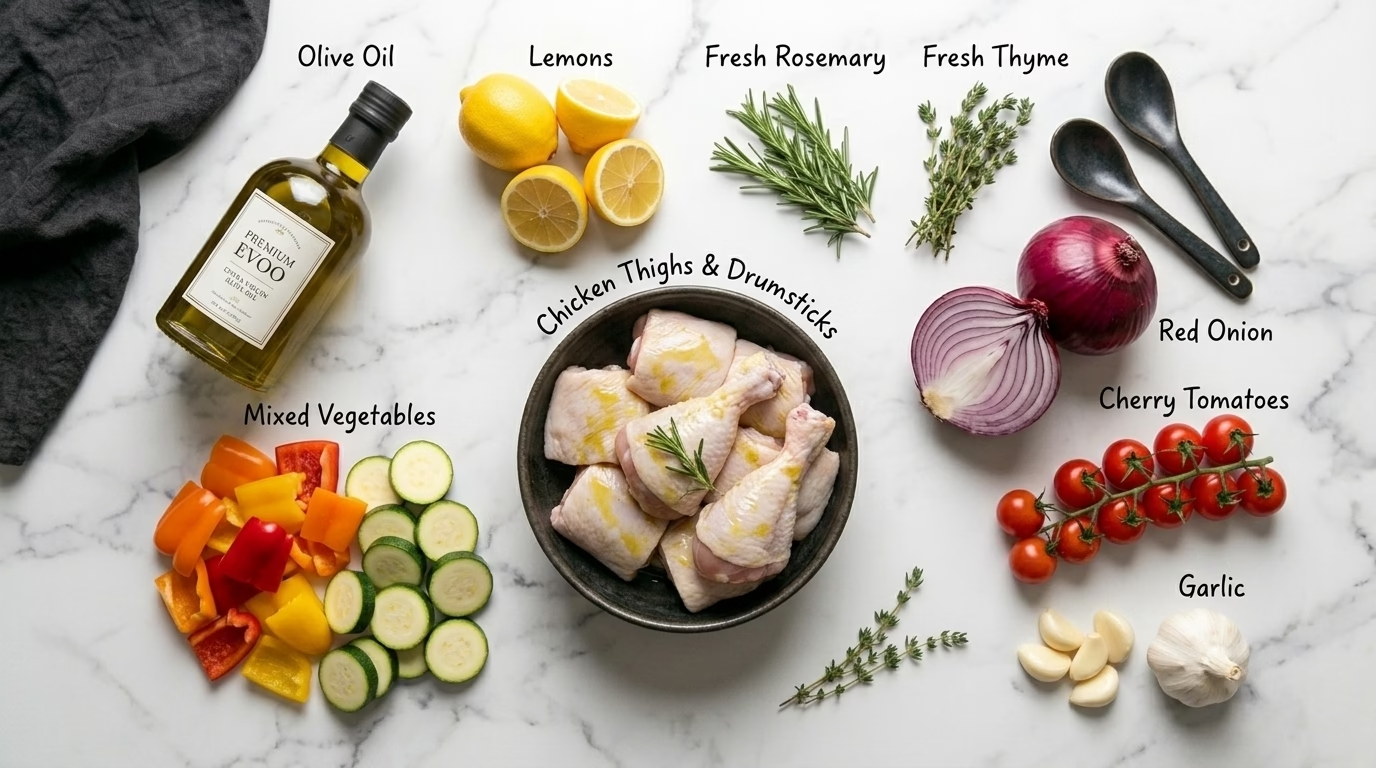
Ingredients
Instructions
1Preheat oven to 425°F / 220°C. Line a large sheet pan with foil.
2Whisk together olive oil, garlic, lemon zest, lemon juice, thyme, rosemary, paprika, garlic powder, salt, and pepper.
3Add potatoes to the pan, toss with half the marinade. Roast 15 minutes.
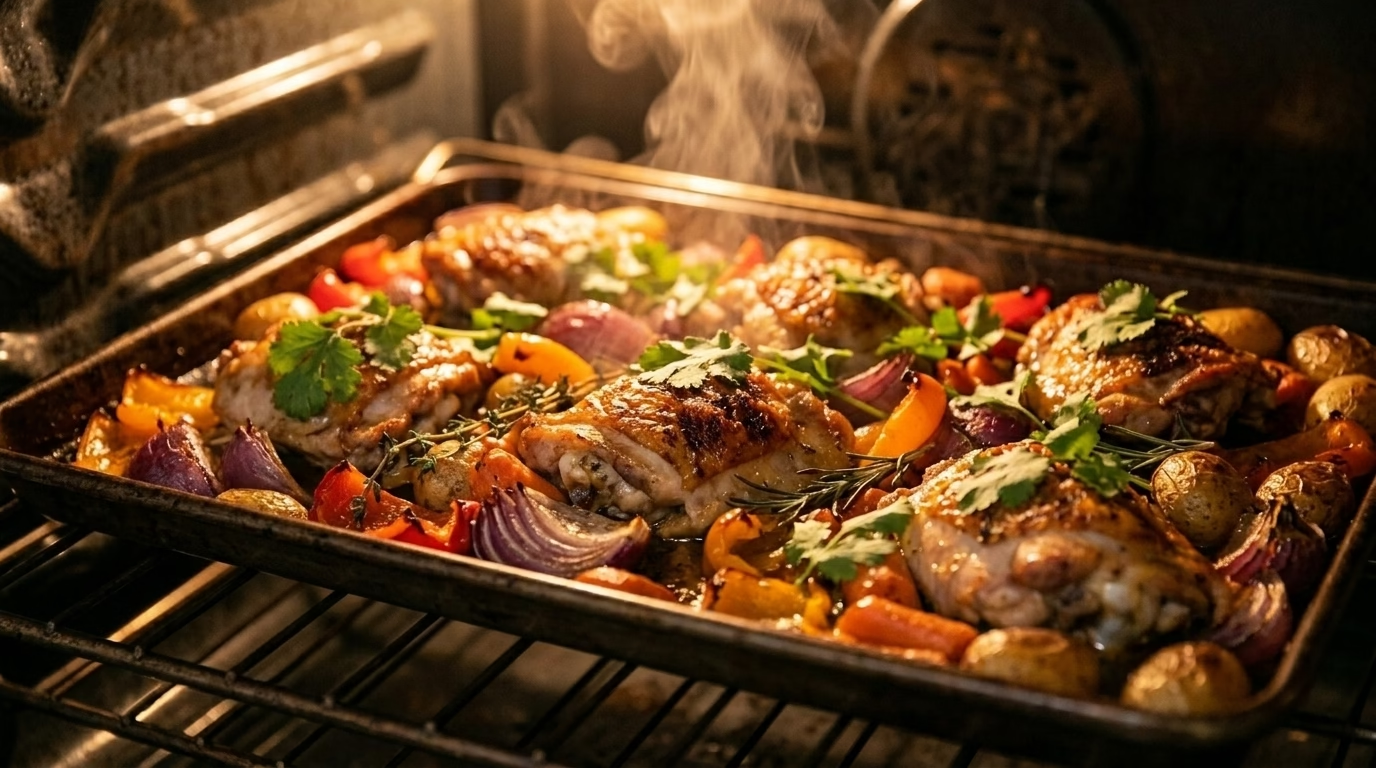
4Push potatoes to the edges. Add chicken and remaining vegetables. Coat everything with remaining marinade. Roast 25-30 more minutes until chicken reaches 165°F / 74°C and skin is crispy.
Dress the vegetables before the chicken, not after.Toss the potatoes and vegetables in the seasoned oil first, then use whatever marinade is left clinging to the bowl for the chicken. Reversing the order wastes the concentrated garlic-and-herb oil at the bottom of the bowl on the protein that needs it least.
Crowding is the single reason sheet-pan dinners turn out soggy instead of roasted.A pan with room between every piece lets hot air circulate and moisture evaporate, which is what actually produces browning; a packed pan traps steam against the food instead, and steamed vegetables never crisp no matter how high the oven runs. If everything doesn’t fit with real gaps, split it across two pans.
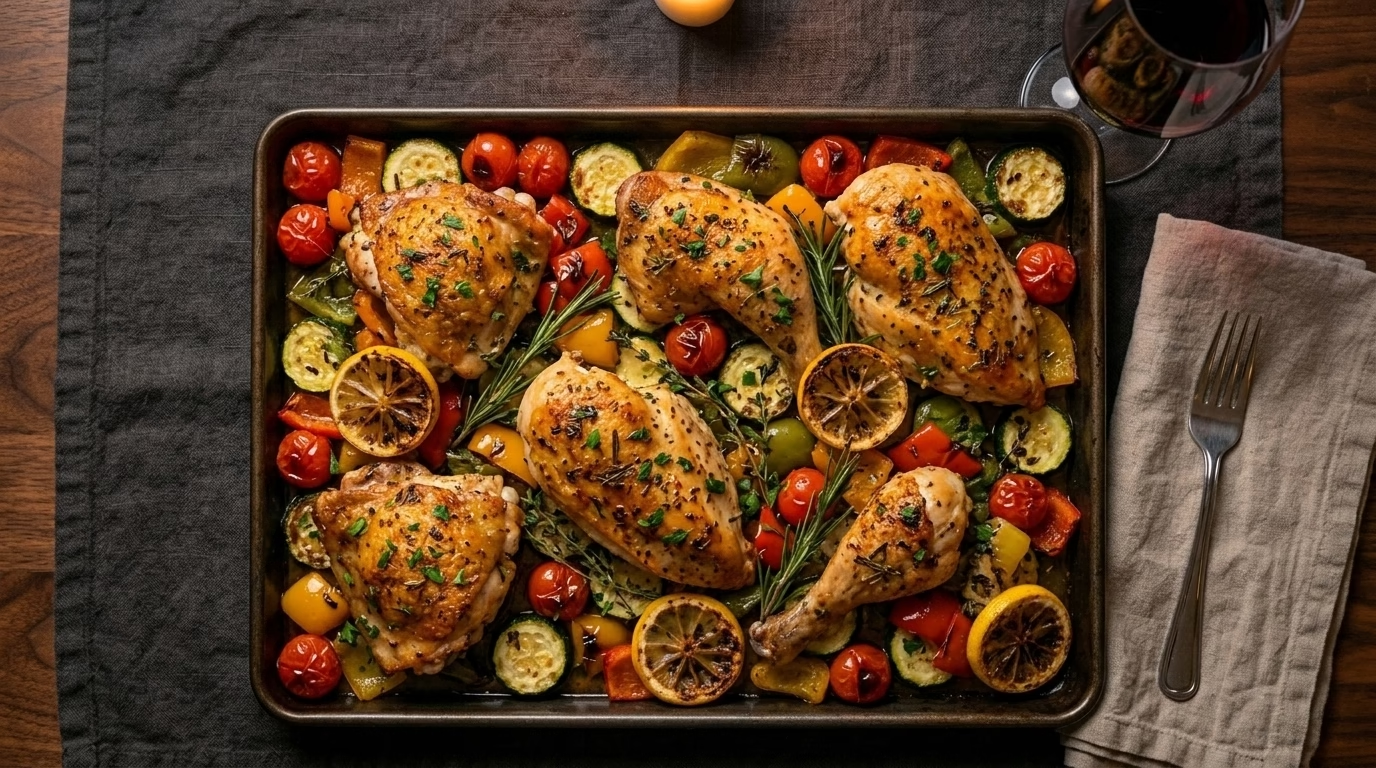
Position the chicken on top of the vegetables, never nestled into them.Skin sitting directly against a foil-lined pan or buried under vegetables stays pale and rubbery, because the surface touching metal or produce can’t reach the same dry heat as the surface exposed to the oven air. Elevated on top of the vegetable layer, the fat renders and the skin actually crisps.
Rest the pan for five minutes before you touch it.Meat pulled straight from a 425°F oven is still actively pushing juice toward the surface; resting gives that juice time to redistribute back through the meat instead of running straight onto the plate the second you cut into it. It’s the easiest step in the recipe and the one people skip most.
Storage & Reheating
Chicken is safe to eat once it hits an internal temperature of 165°F (74°C), which is also the target this recipe roasts to. Get leftovers into the fridge within two hours of coming out of the oven.
Refrigerator:Up to 4 days in an airtight container, per USDA guidance for cooked poultry. Sliced leftover chicken works well cold in next-day salads or wraps, so it’s worth keeping some unreheated.
Freezer:The chicken freezes well for 2–3 months. The potatoes don’t — they turn mealy and grainy once thawed, a texture change caused by ice crystals rupturing their cell walls, so eat those fresh and freeze only the protein.
Reheating:15 minutes at 375°F (190°C) uncovered keeps the skin from turning soft, since the dry oven heat re-crisps the surface as it warms through. Reach for the microwave only if you’re not planning to eat the skin — it steams instead of crisping.
Different vegetables:broccoli florets, halved Brussels sprouts, or sweet potato chunks all roast in the same window — just cut them evenly.
Mediterranean spin:add halved cherry tomatoes and olives in the last 10 minutes, then crumble feta over the finished pan.
Honey mustard glaze:brush the chicken with a spoonful of honey mixed with Dijon in the final 5 minutes for a sticky-sweet crust.
Chicken breasts instead of thighs:they work, but add them 10 minutes after the vegetables so they don’t dry out.
Meal-prep boxes:divide chicken and vegetables into 4 containers with lemon wedges — reheats beautifully for 3 days of lunches.
Frequently Asked Questions
Can I use chicken breasts?
Yes — add them to the pan 15 minutes after the potatoes start so they do not dry out while the potatoes catch up.
Why are my vegetables soggy?
Usually a crowded pan or too much oil. Vegetables need open space and a hot oven to caramelize instead of steam.
Can I prep this ahead?
Season the chicken and chop everything the night before, store separately, then assemble and roast. Do not salt the potatoes until roasting time.
What other vegetables work?
Anything that roasts in 35-40 minutes: red onion wedges, carrots, bell peppers, zucchini (add zucchini halfway so it does not collapse).
How do I store and reheat leftovers?
Refrigerate chicken and vegetables together up to 3 days. Reheat on a sheet pan at 400°F for 8-10 minutes to revive the roasted edges — the microwave makes everything soft.
How do I get crispier skin on sheet pan chicken?
Pat the skin bone-dry before seasoning, give each thigh breathing room on the pan, and finish under the broiler for 2-3 minutes. Crowding is the number one crispiness killer.
Made this recipe? Leave a comment below and tell me how it went — your feedback genuinely helps me improve every recipe on the site.
For more tips, visit this lemon herb sheet pan chicken guide.
The Bottom Line
The staggered timing is what makes this sheet-pan dinner work: potatoes get a head start because they’re denser and slower to cook, then the chicken and quicker vegetables join once the pan has room for everyone to finish together. Give it space to roast instead of steam, rest it before you cut in, and the lemon-herb pan juices do the rest of the work a separate sauce would otherwise need to do.




Rate & Review This Recipe