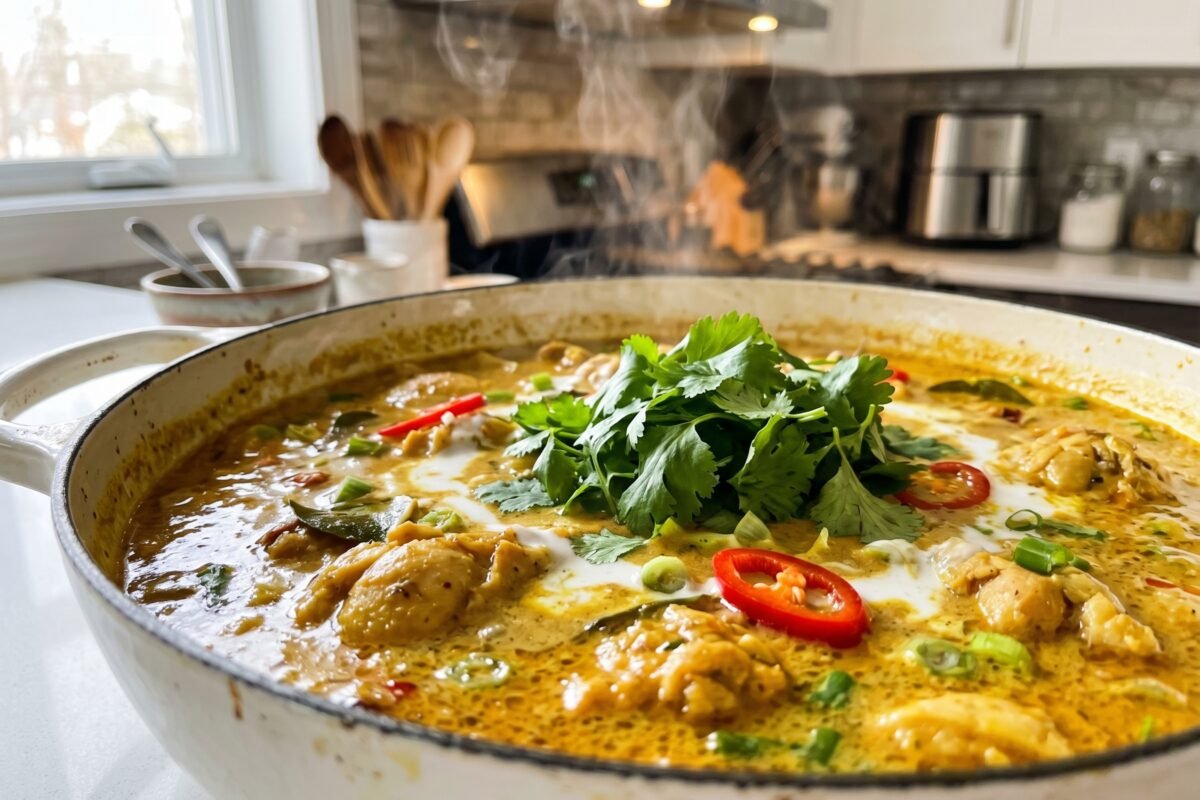
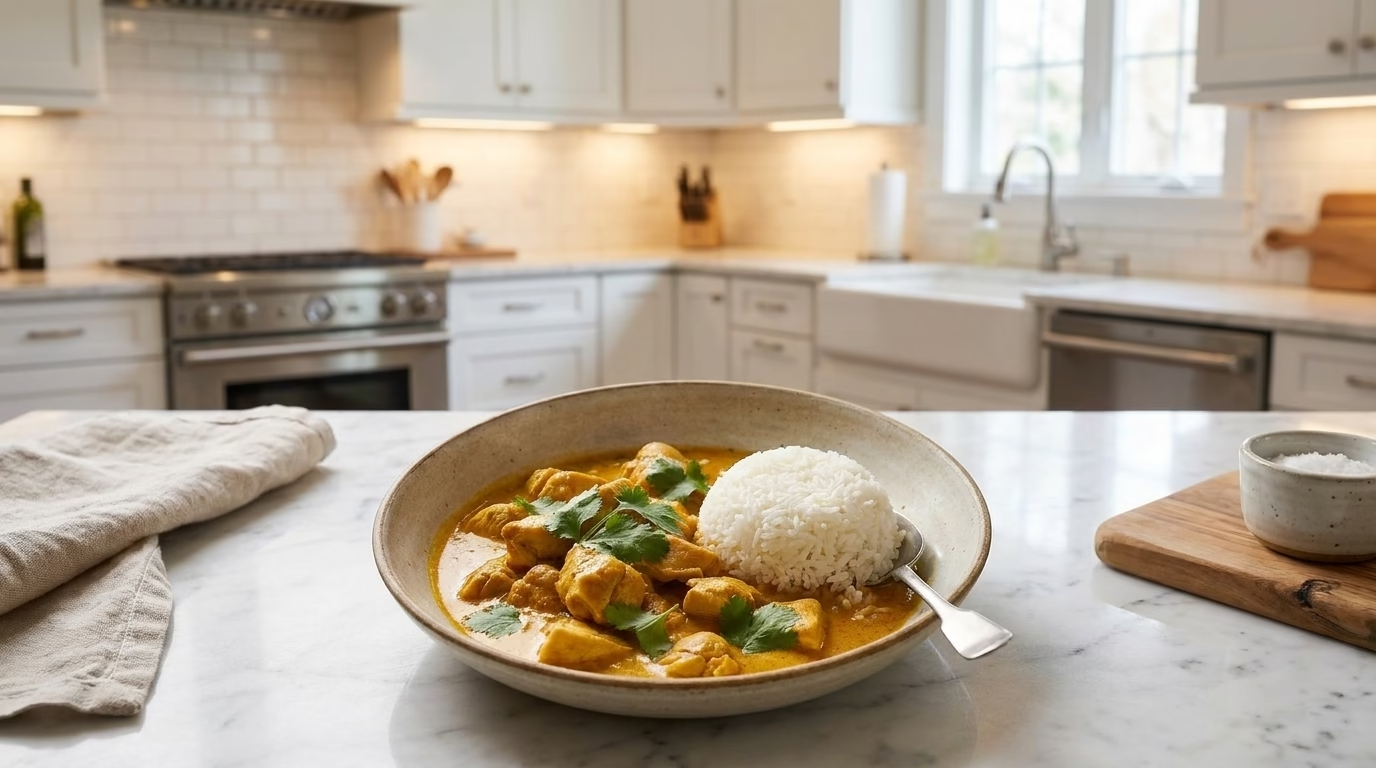
Coconut chicken curryis a mild, coconut-milk curry: chicken simmered in a garlic-ginger-onion base with curry powder, finished with full-fat coconut milk for a creamy, gently spiced sauce. It is mild by design — see the FAQ for how to raise the heat if you want it.
Chicken thighs, not breasts:thighs stay juicy through the 10-minute simmer, while breasts would dry out and turn stringy.
Blooming the curry paste:frying the red curry paste in oil for a full minute before adding liquid wakes up the spices and deepens the flavor of the whole sauce.
Full-fat coconut milk only:light coconut milk splits and turns watery. Full-fat gives you that rich, restaurant-style sauce that clings to rice.
Lime at the end:a squeeze of fresh lime just before serving cuts the richness and makes every other flavor brighter.
Ingredient Notes & Substitutions
Red curry paste:Thai Kitchen (mild) or Maesri (spicier) both work. Start with 2 tablespoons; add more at the end if you want heat.
Fish sauce:this is the secret savory backbone. If you do not have it, use soy sauce, but add it gradually and taste.
Baby spinach:kale works too; just add it 3 minutes earlier since it needs longer to soften.
Chicken broth:water works in a pinch, but add an extra 1/4 teaspoon of salt.
In This Article
Easy Coconut Chicken Curry (Creamy & Mild)
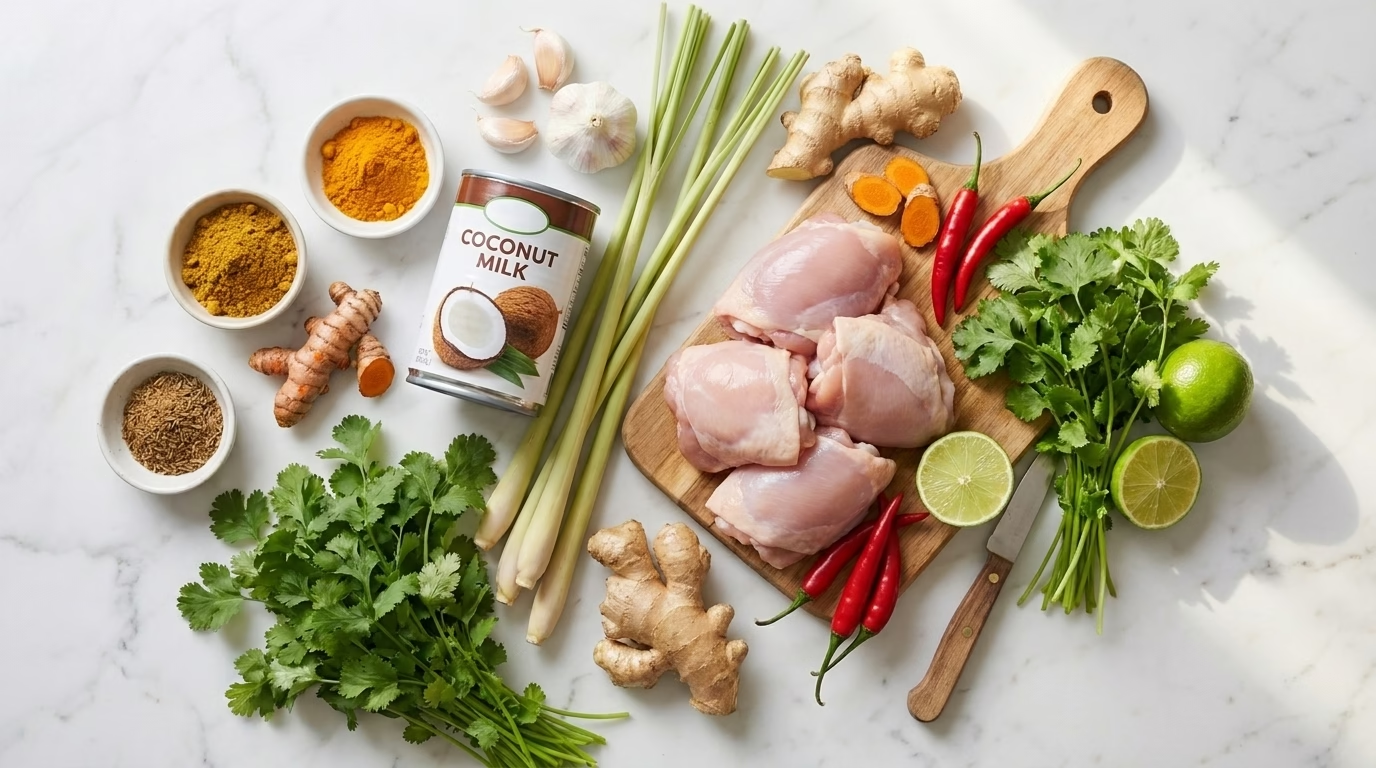
Ingredients
Instructions
1Heat coconut oil in a large skillet or Dutch oven over medium-high heat. Sear chicken thighs 4-5 minutes per side until golden brown. Remove to a plate and set aside.
2In the same pan, cook diced onion for 3 minutes until softened. Add garlic and ginger and cook 1 minute. Add red curry paste and stir-fry for 1 minute until fragrant — this blooms the spices.
3Pour in the coconut milk and chicken broth, stirring to combine with the curry paste. Add fish sauce and sugar and stir.
4Return the seared chicken to the pan. Bring to a gentle simmer and cook for 10 minutes. Add sliced bell pepper in the last 5 minutes and baby spinach in the last 1 minute.
5Squeeze lime juice over the curry. Taste and adjust salt. Garnish with fresh cilantro or parsley and serve over steamed jasmine rice.
A dry surface is what browns, not a hot pan alone.Any surface moisture on the chicken has to evaporate before the Maillard reaction that builds color and flavor can even begin, and that evaporation actively cools the pan. Pat the thighs bone-dry before they touch the oil — the fond left behind after searing is the flavor foundation the entire curry sauce is built on.
Coconut milk is an emulsion, and a hard boil is what breaks it.Full-fat coconut milk holds tiny fat droplets suspended in water through natural emulsifiers, and that structure is stable at a simmer but falls apart under sustained high heat — the fat separates out and the sauce turns grainy and oily instead of silky. Keep it at a gentle simmer, just a few lazy bubbles at a time, once the coconut milk goes in.
Fish sauce works by chemistry, not just saltiness.It’s rich in free glutamates — the same compounds responsible for umami in parmesan and soy sauce — so it deepens savoriness in a way plain salt can’t replicate. Because both fish sauce and red curry paste already carry real salt, taste the sauce before reaching for the shaker; you may genuinely need none.
Fix the sauce’s texture, don’t fight it.Too thick after simmering means too much liquid evaporated — loosen it with a splash of broth rather than more coconut milk, which just adds more fat. Too thin means it hasn’t reduced enough yet — an extra 2–3 minutes uncovered at a gentle simmer, not a boil, tightens it back up.
e-1584″>
Storage & Reheating
Get the curry into the fridge within two hours of cooking — a coconut-milk sauce sitting warm on the stove is exactly the kind of environment that lets bacteria multiply fastest. Reheated leftovers should reach a steaming 165°F throughout before you eat them.
Refrigerator:Airtight container, up to 4 days. The flavor genuinely improves by day two, once the spices and coconut milk have had time to meld further into the chicken.
Freezer:Up to 3 months. Leave the spinach out before freezing and stir in a fresh handful when reheating — frozen and thawed spinach turns to unappetizing mush, while the coconut sauce itself freezes cleanly.
Reheating:Gently on the stove over medium-low with a splash of broth to loosen the sauce, stirring occasionally. Avoid the microwave on high — the same emulsion that can break during cooking breaks just as easily during a hard, uneven reheat.
Steamed jasmine rice is the classic partner because it soaks up every drop of the sauce. For a lower-carb dinner, cauliflower rice works surprisingly well. If you love this flavor profile, try my Easy Chicken Tikka Masala next, or go lighter with the Smoky Paprika Baked Salmon.
Frequently Asked Questions
Can I use chicken breasts instead of thighs?
Yes, but cut them into large chunks and reduce the simmer time to 6-7 minutes so they do not dry out. Thighs are more forgiving and stay juicier.
Is this curry spicy?
With 2 tablespoons of mild red curry paste it is family-friendly with gentle warmth. For real heat, add an extra tablespoon of paste or a sliced red chili with the bell pepper.
Can I make it ahead?
Absolutely. Make the full curry up to 2 days ahead and store it in the fridge; the flavors deepen overnight. Add the lime juice and fresh cilantro only when serving.
Why did my coconut milk curdle?
It usually means the heat was too high. Keep the sauce at a gentle simmer, and always use full-fat coconut milk, which is far more stable than light versions.
What should I serve with coconut chicken curry?
Jasmine or basmati rice is essential for the sauce, and warm naan seals the deal. A squeeze of lime and fresh cilantro on top wake up all the coconut richness.
Can I freeze coconut curry?
Yes — coconut milk freezes better than dairy cream. Cool completely, freeze up to 2 months, then thaw overnight and reheat gently, stirring well since coconut milk separates a little as it thaws.
Made this recipe? Leave a comment below and tell me how it went — your feedback genuinely helps me improve every recipe on the site.
For more tips, visit this coconut chicken curry guide.
The Bottom Line
Coconut chicken curry rewards patience in exactly two places: let the chicken sear undisturbed long enough to build real color, and once the coconut milk goes in, treat the sauce gently — a lazy simmer instead of a boil is what keeps that emulsion silky instead of split. Everything else is pantry spices and ten minutes, which is why this one earns a permanent spot in the weeknight rotation.


 Pro Tips From My Kitchen

Rate & Review This Recipe